
Tub-to-Shower Conversion in Alger Heights
Tub-to-Shower Conversion for Alger Heights homes - local housing, a clear process, and one call to get it started.
Ask what makes tub-to-shower conversion local in Alger Heights and the answer is the housing: the same project, a different starting point.
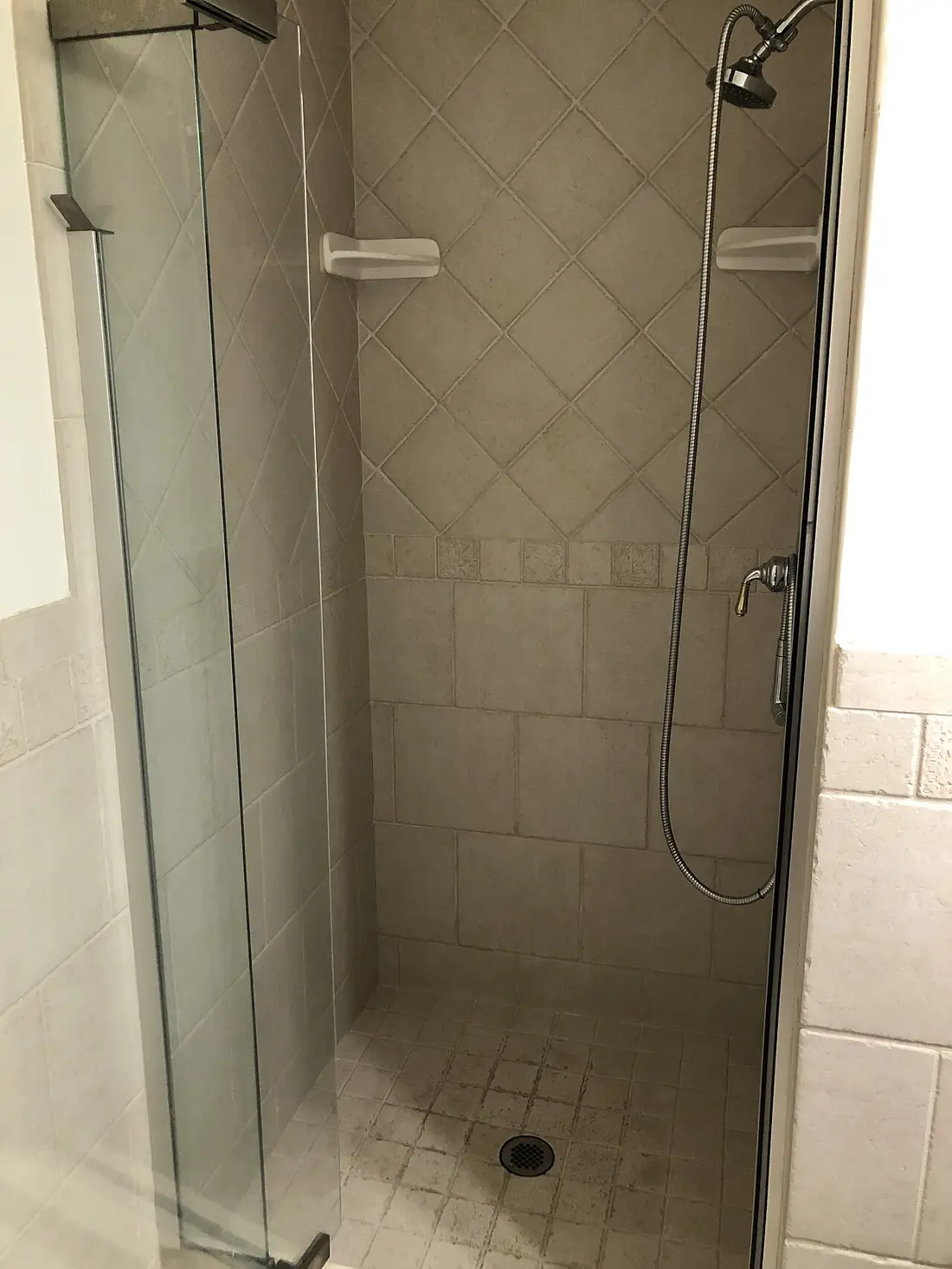
A conversion is plumbing-smart work. The tub's drain, supply and footprint are already in the right place - the conversion keeps the wet wall, widens the opening and builds a proper shower where the alcove was. It is the rare project where the dramatic change and the modest plumbing agree with each other.
Alger Heights is a tight-knit southeast-side neighborhood built around its Eastern Avenue business district - a small, walkable main street of shops and restaurants surrounded by post-war homes famous for block parties and front-porch culture.
This part of the metro has its own version of the project. Post-WWII Cape Cods, ranches and Minimal Traditional homes, mostly 1940s-1960s, on modest lots - and that shapes the bathroom work directly. The standard Alger Heights bath is the post-war five-by-seven: a tub-shower, a single vanity, a wall-hung or close-coupled toilet and pink, grey or seafoam tile that has outlasted three fixture generations. For tub-to-shower conversion in Alger Heights, the conversion is how the alcove starts serving the household's actual mornings.
West Michigan weather writes the rules for bathroom work here. Lake-effect snow and long freezes from November into March mean supply lines on exterior walls live under freeze risk, and the spring thaw finds every weak joint. A Grand Rapids bathroom remodel is planned around that calendar - pipes insulated or relocated off cold walls, and heat kept in the room's design rather than hoped for.
Under the floors, the eras layer up: cast-iron drain stacks and galvanized supply in the older neighborhoods, copper and cast iron mid-century, PVC and PEX in the newer suburbs. Galvanized pipe narrows from the inside as it ages, which is why so many older Grand Rapids bathrooms have weak shower pressure that no new showerhead can fix - the pipe is the problem, not the fixture.
Signs Alger Heights Homes Need Tub-to-Shower Conversion
Guests use the tub; nobody else does
One working tub in the house is enough for resale logic and for grandkids.
The tub is storage, not a fixture
When the main tub holds laundry baskets and cleaning supplies, the household has already voted.
Morning queues at the good shower
If everyone waits for one decent shower while a tub sits idle down the hall, the house's plumbing is misallocated.
Why This Project Runs in Alger Heights
The conversion's engineering is concentrated in two places: the drain and the floor. A tub drains through a smaller pipe than a shower requires, so the drain is upsized and re-trapped during the build - a detail invisible in the finished room and decisive for how the shower drains at full flow. The floor structure decides whether a curbless entry is simple or needs reinforcement.
The standard Alger Heights bath is the post-war five-by-seven: a tub-shower, a single vanity, a wall-hung or close-coupled toilet and pink, grey or seafoam tile that has outlasted three fixture generations. These rooms remodel cleanly because the footprints are simple - the work is updating tile, valves and ventilation without disturbing sound plaster-and-lath walls more than needed.
In Alger Heights, that plays out street by street - and the upsized drain is the invisible detail that makes the new shower drain like one. Field note for the Alger Heights route: the oldest housing carries the oldest plumbing, and the walkthrough starts there.
Deep summer brings the humidity peak, and bathrooms without working exhaust fans start showing it: peeling paint above the shower, grout that never quite dries, a mirror that stays fogged for an hour. Summer is when ventilation upgrades pay for themselves in the homeowner's eyes - the difference is visible within a week of daily showers.
Expect the findings to be specific: this joist, that flange, the fan that vents into the attic, the valve that has not turned in a decade. Vague findings produce vague scopes. A visit that ends with a map - of systems, of evidence, of what gets replaced and what gets kept - is a visit that was worth booking, whatever the project turns out to be.
In this part of Michigan the season is not background - it is the schedule. Alger Heights homes that plan a season ahead stay ahead.
Homeowners in Alger Heights ask what they should do before the visit. The answer is access, not cleaning: clear under the sink, open the way to the basement plumbing, and know where the water shutoff is. The evidence should stay exactly where it is.
What a good walkthrough looks like: the professional arrives with a tape, a flashlight and a moisture meter, looks under the sink and behind the toilet, checks the ceiling or basement below the bathroom, and only then talks about tile. Anything found gets shown to you, in place, in plain language.
On the Alger Heights run, crews read the floor first - it is the fastest route to the truth in any bathroom.
How Tub-to-Shower Conversion Works in Alger Heights
The full step-by-step process for this service - walkthrough, scope, build and handover - is laid out on the main Tub-to-Shower Conversion page. In Alger Heights the same sequence runs with the local map in hand: the housing around the Alger Heights business district on Eastern Avenue, the plumbing era described above, and the findings this neighborhood actually carries.
Selections planning deserves its own paragraph, because it is where timelines quietly die. Tile, glass, cabinets and specialty fixtures all carry lead times, and the project's calendar is built backwards from the slowest of them. Choosing early feels like homework; choosing late feels like a stalled job site with the walls open.
Materials in a bathroom are chosen against water, not against photographs. Porcelain where water stands, valves with locally available parts, fixtures whose finishes match the household's appetite for polishing, grout systems matched to the room's traffic - the walkthrough's materials conversation is really a conversation about the next twenty years of cleaning and maintenance, held before the fact.
The freeze question deserves its standing place in every local scope: which supply lines run in exterior walls or unheated spaces, what happened in the coldest week of the last five years, and whether a shutoff-and-drain routine exists for the vulnerable runs. Answering it during a remodel - when walls are open - costs a fraction of answering it after a burst.
The Alger Heights Angle
What makes Alger Heights different is not the project; it is the setting - the housing stock, the water system and a Michigan climate that tests every bathroom in it. The buildings themselves give the first clues. Post-WWII Cape Cods, ranches and Minimal Traditional homes, mostly 1940s-1960s, on modest lots.
Layer the bathroom profile on top and the job defines itself. The standard Alger Heights bath is the post-war five-by-seven: a tub-shower, a single vanity, a wall-hung or close-coupled toilet and pink, grey or seafoam tile that has outlasted three fixture generations. These rooms remodel cleanly because the footprints are simple - the work is updating tile, valves and ventilation without disturbing sound plaster-and-lath walls more than needed. A proper tub-to-shower conversion call in Alger Heights therefore starts with reading - the floor, the pipes, the venting - and only then moves to design.
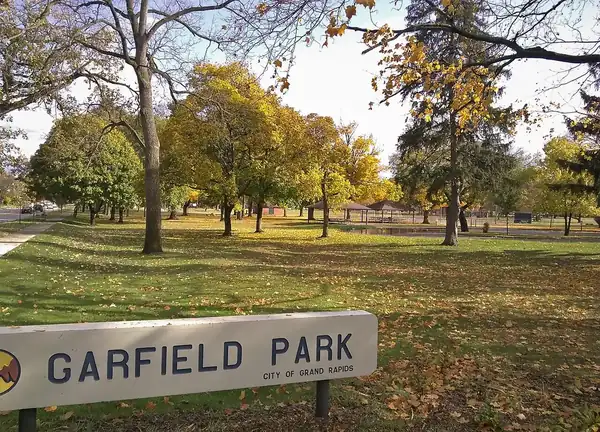
Alger Heights does not sit alone on the map. It shares housing eras and remodel cycles with Garfield Park, Kentwood and West Grand - the same builders, water systems and Michigan winters run through all of them, and the same bathroom findings repeat within the same few streets. Which is the last word on method here: plan for the neighborhood pattern, not just the house that called.
On the local map, Alger Heights sits in the grand rapids neighborhood group, ZIP 49507 - close enough to Garfield Park, Kentwood that professionals work them on the same rounds. For tub-to-shower conversion, that grouping matters - findings, timing and scope are read at the neighborhood level, not guessed address by address.
Street level, the Alger Heights file reads like this: a grand rapids neighborhood part of the map in ZIP 49507, anchored by the Alger Heights business district on Eastern Avenue, with Garfield Park, Kentwood, West Grand, Wyoming close enough to share builders, eras and water systems. The work here is planned from that ground truth, not from a metro-wide average.
There is a short version of the Alger Heights file that crews actually use: start at the Alger Heights business district on Eastern Avenue, read the streets toward Garfield Park, Kentwood, West Grand, Wyoming, check the floors and the pipes, and let the grand rapids neighborhood character of the neighborhood rank the project list before a single fixture is discussed.
Street level, the Alger Heights file reads like this: a grand rapids neighborhood part of the map in ZIP 49507, anchored by the Alger Heights business district on Eastern Avenue, with Garfield Park, Kentwood, West Grand, Wyoming close enough to share builders, eras and water systems. The work here is planned from that ground truth, not from a metro-wide average.
Prevention That Helps in Alger Heights
The converted shower asks little: keep its drain honest, its seals sound and its air moving. The short list:
- Keep the new shower's drain strainer clear; a full head of hair is a weekly harvest
- If the entry is curbless, keep the floor's slope zone free of mats that dam the water
- Check the threshold or curb seal seasonally - it is the hardest-worked joint in the room
Post-WWII Cape Cods, ranches and Minimal Traditional homes, mostly 1940s-1960s, on modest lots.
Materials & Systems for Tub-to-Shower Conversion in Alger Heights
Countertop materials sort by household more than by taste. Quartz shrugs off toothpaste, dye and heat styling with no sealing calendar; natural stone returns the favor with pattern no factory repeats, at the price of a sealer habit; solid surface repairs its scratches in place. The honest spec names who cleans, how often, and with what - then chooses the surface that forgives that answer.
There is a human-factors depth too: the conversion is the moment a household decides how it will bathe for the next twenty years. Bench height, handheld position, control placement reachable before the water starts - these are designed around a specific person's morning, and they are the difference between a converted alcove and a shower that feels commissioned.
Floor warmth is the material luxury Michigan argues for best. Electric radiant mats under tile add a thermostat, a sensor and a dedicated circuit to the plan, and return barefoot mornings from October to April. The system is tested before tile and photographed after - a broken wire found by the meter is a delay; found by the first cold morning, it is a demolition.
Timing & the Alger Heights Calendar
Weather writes one line of a Michigan schedule: deliveries in snow, mortar and membrane temperatures, a roof penetration for the vent fan in a kind week rather than a storm. None of it stops work; all of it argues for the buffer that separates a plan from a hope.
Fall's second act is the guest season approaching: households look at the hall bath with Thanksgiving eyes and realize the tub surround, the running toilet and the dated vanity have run out of deferrals. Small-scope refreshes - flooring, vanity, fixtures, a regrout - are the fall specialty because they fit between school start and the first snow.
On the Ground in Alger Heights
When the tools leave, the room's first week teaches its owners its habits: how the fan's timer behaves, how the new grout takes a squeegee, where the shutoffs live, what the floor feels like at six in the morning. A good handover walks those habits deliberately - warranties and paperwork in a folder, spare tiles in the basement, valve locations pointed at rather than described. The project ends when the household runs the room without thinking about it, and everything in the process was aimed at that morning.
Choose the conversion when the household's bathing has already changed - showers daily, baths never - or when the tub wall has become a barrier. Keep one tub in the house for the bathers and the market; convert the tub that stands between the household and the shower it actually wants.
Water is the project's examiner and it administers its test early: the flood test on the pan, the pressure on the new lines, the first run of the shower before glass. Each check happens while fixing a failure is still cheap, and the results are shown, not summarized. Owners who see the tests stop worrying about the parts of the project they cannot see - which is most of the parts that matter - and that is worth more than any brochure's assurance.
Keep Exploring
Tub-to-Shower Conversion nearby:
- Tub-to-Shower Conversion in Garfield Park
- Tub-to-Shower Conversion in Kentwood
- Tub-to-Shower Conversion in West Grand
- Tub-to-Shower Conversion in Wyoming
More services in Alger Heights:
- Bathroom Renovation in Alger Heights
- Walk-In Tub Installation in Alger Heights
- Bathroom Flooring in Alger Heights
- Tile Installation in Alger Heights
See the full bathroom remodeling page for Alger Heights and the Tub-to-Shower Conversion overview for Grand Rapids.
Tub-to-Shower Conversion in Alger Heights - Questions
How long does a conversion take in Alger Heights?
Most conversions run about one to two working weeks depending on tile and glass. The plumbing change is a day of it; tile curing and glass measuring set the rest of the pace.
Can the conversion be curbless in my Alger Heights home?
It depends on the floor: curbless needs depth to slope the floor to the drain. Many Grand Rapids homes - especially over basements or crawl spaces - allow it; homes on slabs or with shallow joists may take a low threshold instead. The feasibility check measures, not guesses.
Does Tub-to-Shower Conversion in Alger Heights cover the streets near the Alger Heights business district on Eastern Avenue?
Yes - the blocks around the Alger Heights business district on Eastern Avenue are part of this page's map, along with the rest of Alger Heights. The landmark is named here because it anchors the neighborhood's pattern: the housing era and water system around it shape where the work concentrates.
A Leaking Shower, a Dated Tub or a Bathroom That No Longer Fits Your Life?
One call connects you with a bathroom remodeling professional serving Grand Rapids and the surrounding West Michigan communities - a walkthrough, a clear scope and a written plan before any work begins.
📞 Call Now