Grand Rapids Bathroom Services

Walk-In Tub Installation in Grand Rapids, MI

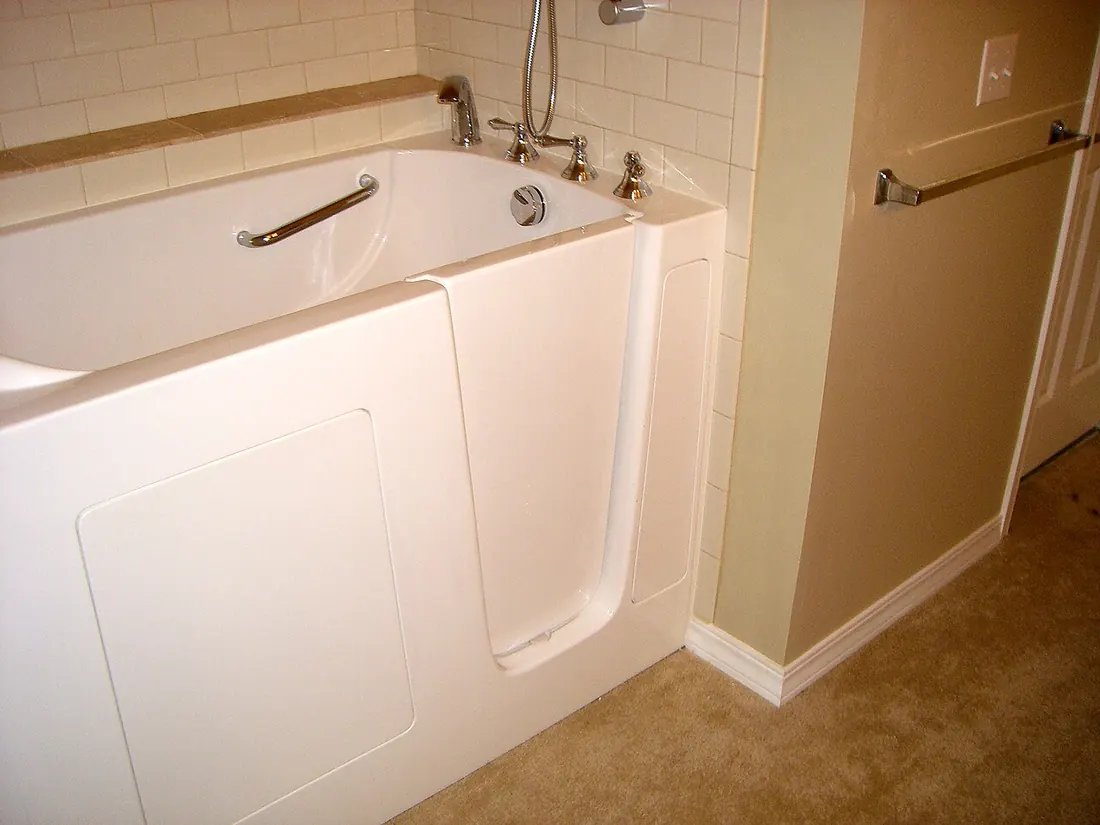
A seated, low-threshold bathing tub with a watertight door, installed where the old tub was - for Grand Rapids households planning to stay in their homes.

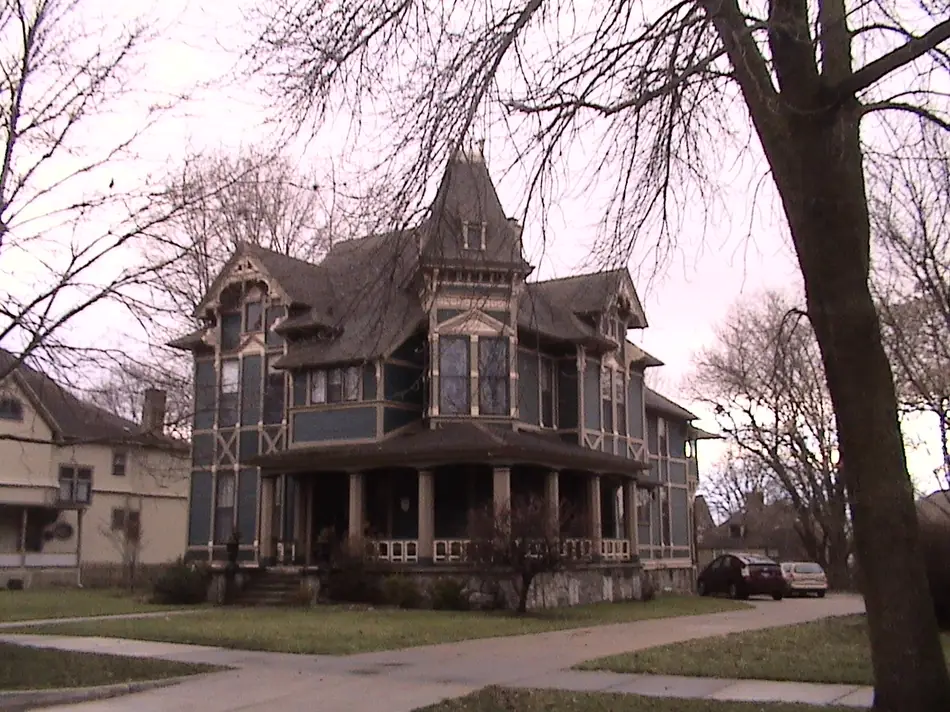
The housing stock sets the starting point. Grand Rapids grew in waves: furniture-era mansions and workers' cottages before 1930, streetcar suburbs between the wars, ranch subdivisions in the 1950s-70s, and master-planned growth from the 1990s on. Each era plumbed its bathrooms differently - and each remodel inherits the choices, and the shortcuts, of its era.

Under the floors, the eras layer up: cast-iron drain stacks and galvanized supply in the older neighborhoods, copper and cast iron mid-century, PVC and PEX in the newer suburbs. Galvanized pipe narrows from the inside as it ages, which is why so many older Grand Rapids bathrooms have weak shower pressure that no new showerhead can fix - the pipe is the problem, not the fixture.

Signs You Need Walk-In Tub Installation

Climbing into the tub has become a plan

When bathing requires timing, assistance or courage, the fixture is the problem. A threshold of a few inches and a seat change the whole negotiation.

A fall or a near-fall in the bathroom

After one incident, the household's risk math changes permanently. The bathroom is where home falls happen most, and the tub wall is the usual reason.

Soaking helps - joints, circulation, sleep

For bathers whose aches answer to warm water, losing the bath is a real loss. A walk-in keeps the soak while removing the climb.

A spouse or aide assists with bathing

Assisted bathing over a high tub wall is hard on both people. A door and seat make the assistance dignified - and physically possible for longer.

The plan is to age in this house

When the house is the keeper - one floor, known neighbors, no stairs to the bedroom - the bathroom is the room that decides whether the plan works.

Standard tub plus shower chair is not cutting it

Transfer benches and chairs are bridges; when they wobble, slide or crowd the tub, the household has outgrown the workaround.

Why Walk-In Tub Installation Is a Standing Job in Grand Rapids

The technical heart of the installation is water volume. A walk-in tub can hold half again the water of a standard tub, which checks three systems at once: the water heater must keep the fill warm to the end, the drain must empty the tub promptly - some models add a powered drain pump - and the floor must carry the filled weight where the old tub stood.

Door engineering is the other half. The door seals against water pressure when the tub is full, and its swing - inward or outward - must clear the room's toilet and vanity. In the smaller baths of the older neighborhoods this measurement decides the model before style enters the conversation.

Michigan winters add a note the brochures skip: a bather sits in the tub during fill and drain, so room warmth matters. A heated floor zone, a warm room and a tub model with a heated seat or inline water heater turn the wait from the product's weakness into part of the soak.

Walk-In Tub Installation Through the Michigan Year

Spring in Grand Rapids is thaw season: the freeze lets go, sump pumps cycle, and the winter's small leaks announce themselves as stains and soft floors. It is the natural moment to open a bathroom project - contractors' schedules still have room, and any freeze damage found in the walls gets fixed before summer humidity feeds mold into it.

Fall projects in West Michigan race the first hard freeze. Homeowners push to have bathrooms finished before the holidays, and the good crews book out early. Fall is also when heating gets checked - a bathroom that was merely cool in October is the one with frozen-pipe risk in January, so heat runs and insulation get attention while walls are open.

Summer is the metro's big remodel season. Warm weather means windows can open for dust control, exterior vent runs are easy, and families can time the dusty weeks around vacations. It is also when a household with one bathroom feels the project most - which is why summer projects here are planned with a temporary routine, a gym membership or a borrowed shower in mind.

Walk-In Tub Installation in Depth

The walk-in tub's engineering conversation is about time as much as water: fill time against the heater's recovery, drain time against the bather's patience, door-seal reliability across thousands of cycles. Manufacturers publish the numbers; the installer's job is matching them to a specific house's systems and a specific bather's temperament.

Depth also lives in the contingency questions the assessment asks: what happens in a power cut mid-bath, who else in the household uses this bathroom, how the bather gets in and out on their weakest day rather than their best. Walk-in tubs succeed when they are chosen for the worst-day bather, not the showroom one.

Choosing the Right Help

Choose the walk-in tub for the committed bather: the person whose soak is therapy and whose house is the long-term home. Rule it out, honestly, for the hurried shower household - the fill-and-drain wait will defeat the fixture's purpose, and a low-threshold shower will serve them better every day.

The Climate Behind It

West Michigan weather writes the rules for bathroom work here. Lake-effect snow and long freezes from November into March mean supply lines on exterior walls live under freeze risk, and the spring thaw finds every weak joint. A Grand Rapids bathroom remodel is planned around that calendar - pipes insulated or relocated off cold walls, and heat kept in the room's design rather than hoped for.

Humidity is the other half of the Michigan equation. Summers off Lake Michigan are humid, showers run daily, and a bathroom without real exhaust ventilation grows mold on grout, paint and drywall with quiet reliability. Michigan code expects mechanical ventilation in bathrooms for good reason - a fan sized to the room and vented outdoors, not into the attic, is part of every sound remodel here.

How Walk-In Tub Installation Works

Bather-first assessment

The walkthrough starts with the bather: mobility, assistance, soaking habits - and an honest comparison with a low-threshold shower before the tub is chosen.

Systems check and model selection

Water heater capacity, drain size, floor structure and door swing are measured; the model is selected against the numbers and the room.

Removal and rough work

The old tub comes out; drain and supplies are adapted to the new unit, and any electrical circuit for jets or heaters is run under permit.

Setting and sealing

The walk-in is set level, its door seal aligned and tested; the unit is filled, soaked and drained in a full leak test before walls close.

Surround, trim and training

The surround and fixtures are finished, and the installer walks the bather through fill, door, drain and cleaning - with the household present, not just the owner.

Doing It Yourself vs a Professional

The DIY Route

  • Drop in the tub without checking whether the water heater can fill it hot - it cannot be wished larger
  • Skip the drain upgrade, so the bather sits in cooling water waiting for a standard drain
  • Choose the door swing from a catalog photo instead of the room's actual toilet clearance
VS

The Professional Route

  • Capacity, drain and structure are verified against the specific model before it is ordered
  • The door seal is aligned and the tub is flood-tested full before the surround closes
  • The bather is trained on the actual unit - door, fill, drain, jets - at handover, with family present

Keep It From Coming Back

A walk-in tub is a machine with a door; its care list is a machine's - seals, drains and systems exercised on schedule:

  • Run the door seal check monthly: clean the gasket and confirm it seats evenly
  • Exercise the jets or air system on schedule to keep lines fresh, per the manual
  • Keep the drain strainer clear - walk-in drains work hard at emptying time
  • Test the powered drain or pump function quarterly if the model has one
  • Use only manufacturer-approved cleaners on the door gasket and seat
  • Keep the bathroom warm during winter fills - comfort is part of the design
Walk-In Tub Installation in the Metro Communities

The communities around Grand Rapids share its housing eras - with their own twists.

Walk-In Tub Installation in Northview

Northview is the Plainfield Township community along Plainfield Avenue northeast of Grand Rapids - a school-district-defined area of post-war subdivisions, small shopping nodes and streets that climb away from the Grand River toward Belmont.

Walk-In Tub Installation in Byron Center

Byron Center is one of the fastest-growing communities in the metro - a Byron Township village that has added subdivisions at a rapid pace around its older farm core, with the Tanger Outlets district drawing shoppers to 84th Street.

Walk-In Tub Installation in Cascade

Cascade is the wooded, river-cut township east of Grand Rapids where the Thornapple River winds past the old village center at Cascade Road. Larger lots, mature trees and custom homes define it, with the airport and the 28th Street corridor along its south edge.

Walk-In Tub Installation in Ada

Ada is the historic village where the Thornapple meets the Grand River, marked by its covered bridge and a redeveloped village center with shops and trails. Ada Township around it mixes old village streets with some of the metro's most substantial newer homes.

Where Walk-In Tub Installation Is Needed Most

In the city neighborhoods - Downtown Grand Rapids, Heritage Hill, Eastown, Midtown and Creston, Fulton Heights, West Grand, Alger Heights - the housing runs from Victorian districts to post-war streets, and walk-in tub installation follows the construction: century-old plumbing in the historic stock, subdivision-era bathrooms in the post-war stock.

Across the inner suburbs - Garfield Park, East Grand Rapids, Wyoming, Kentwood and Grandville, Walker, Standale, Comstock Park - the ranch and split-level decades dominate, which makes this the steadiest walk-in tub installation territory in the metro: thousands of similar bathrooms reaching the same age at the same time.

Further out, the same work runs in Northview, Byron Center, Cascade, Ada, Forest Hills, Caledonia, Rockford, Jenison, Hudsonville, Allendale - growing communities where farmhouses, village homes and new subdivisions sit side by side. Every one of these area pages carries the local detail for walk-in tub installation in that community.

Coverage, In Full

Walk-In Tub Installation runs across the whole service map: the Grand Rapids neighborhoods of Downtown, Heritage Hill, Eastown, Midtown, Creston, Fulton Heights, West Grand, Alger Heights and Garfield Park; the city of East Grand Rapids; and the metro communities of Wyoming, Kentwood, Grandville, Walker, Standale, Comstock Park, Northview, Byron Center, Cascade, Ada, Forest Hills, Caledonia, Rockford, Jenison, Hudsonville and Allendale. One call covers all of it - the local pages above carry the detail for each. If your street is not named here, call anyway: coverage grows with demand, and most metro addresses are already within reach.

From the Grand Rapids Bathroom Guides

Bathroom Waterproofing: What Actually Keeps a Shower Dry

Tile and grout are not waterproof - the membrane behind them is the system, and showers fail at corners, curbs and penetrations, not in the field. Choose one coherent system - sheet or liquid membrane, traditional pan or bonded - and install it as a system, not a collage of products.

Read the Guide

How Long Does a Bathroom Remodel Take? A Grand Rapids Timeline

A same-layout Grand Rapids bathroom remodel commonly runs three to five working weeks once materials are on site; layout changes and custom glass extend the tail. The hidden time is not labor - it is sequencing: inspections, waterproofing cures, tile setting and glass fabrication each impose their own waits.

Read the Guide

Walk-In Tub Installation Questions

What does a walk-in tub do to resale?

It narrows the buyer pool for that bathroom to households who value it, which is why many owners convert the secondary bath rather than the only one. For the owner who stays, the use value outweighs the resale math - and the walkthrough will say which case yours is.

Are the jets worth it?

Air jets are the gentler, easier-cleaning option; water jets give stronger massage and need more maintenance. Bathers with circulation or skin sensitivities should take their clinician's view first - the installer will not oversell either.

How long do you sit in a walk-in tub while it fills and drains in Grand Rapids?

Honestly: several minutes at each end, because the door cannot open against water. Faster-fill faucets, a quick-drain or pump option and a warm room - all specifiable in the Grand Rapids installation - are how the wait is made comfortable rather than merely endured.

Will my Grand Rapids water heater handle a walk-in tub?

That is measured, not assumed: the tub's capacity is compared with the heater's size and recovery. Many homes do fine; some need a larger heater or a model with an inline heater - the systems check answers it before the tub is ordered.

Does the floor in a Grand Rapids home need reinforcement for a walk-in tub?

A filled walk-in tub with a bather weighs considerably more than a standard tub. In most framed floors the answer is verification, not reinforcement - but older Grand Rapids homes with long joist spans get the check in writing during the walkthrough.

Walk-in tub or walk-in shower for a Grand Rapids home?

Bathers who soak for relief usually choose the tub; households that shower daily usually get more from a low-threshold shower with a bench and handheld. The assessment on this page exists because the honest answer is personal, not commercial.

Can a walk-in tub fit the existing alcove in Grand Rapids?

Most models are built to the standard five-foot alcove; shorter and wider variants exist for other footprints. The door swing against the room's fixtures is the dimension that decides, and it is measured on site.

Do walk-in tubs in Grand Rapids need electrical work?

Models with jets, air systems, heaters or drain pumps need a protected circuit - run under permit during the installation. Plain soaking models may need none; the model choice states it plainly.

Please note: Grand Rapids Bath Pros is an independent directory and referral service, not a remodeling contractor. The professionals reachable through this site are independent businesses; any agreement for work is between you and the professional you engage. Service information on this site is general educational material - the scope of any real remodeling work is set by an in-home walkthrough and a written scope.

A Leaking Shower, a Dated Tub or a Bathroom That No Longer Fits Your Life?

One call connects you with a bathroom remodeling professional serving Grand Rapids and the surrounding West Michigan communities - a walkthrough, a clear scope and a written plan before any work begins.

📞 Call Now
📞 Call Now