Bathroom Renovation in Heritage Hill
Bathroom Renovation for Heritage Hill homes - local housing, a clear process, and one call to get it started.
The first five minutes of a visit in Heritage Hill are all looking - floors, valves, vents, ceilings below - because looking is what makes the rest of it work.
Renovation is also the project's answer to timing. When the full remodel belongs to a later year - after the roof, the furnace, the tuition - a renovation carries the room properly in the meantime, and none of the work is wasted when the bigger project eventually comes.
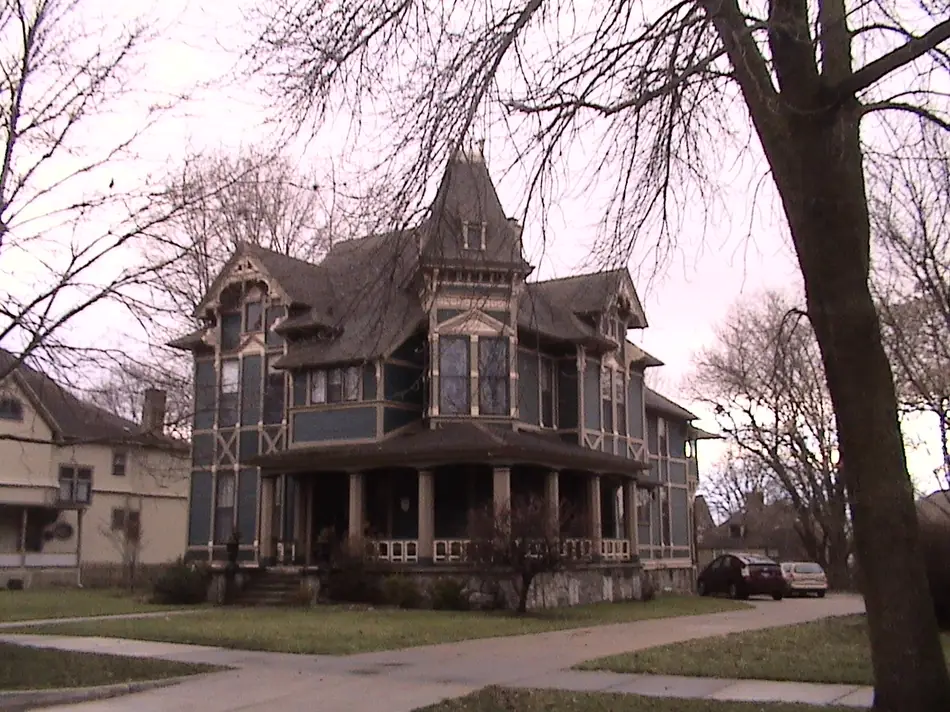
Heritage Hill, just east of downtown, is one of the largest urban historic districts in the country - hundreds of homes from the 1840s to the 1920s, including Frank Lloyd Wright's Meyer May House, on tree-lined streets that were once home to the city's furniture barons.
Local housing shapes the work here. Large Victorian, Queen Anne, Colonial Revival and Prairie-style homes, mostly 1870s-1920s, many updated in stages over a century - and that shapes the bathroom work directly. Heritage Hill bathrooms are a remodel discipline of their own: clawfoot-era rooms, 1920s hex-tile baths added when indoor plumbing was new, and later baths tucked into former bedrooms and attic corners. For bathroom renovation in Heritage Hill, a verified renovation renews the room without paying for demolition the bones do not need.
West Michigan weather writes the rules for bathroom work here. Lake-effect snow and long freezes from November into March mean supply lines on exterior walls live under freeze risk, and the spring thaw finds every weak joint. A Grand Rapids bathroom remodel is planned around that calendar - pipes insulated or relocated off cold walls, and heat kept in the room's design rather than hoped for.
Under the floors, the eras layer up: cast-iron drain stacks and galvanized supply in the older neighborhoods, copper and cast iron mid-century, PVC and PEX in the newer suburbs. Galvanized pipe narrows from the inside as it ages, which is why so many older Grand Rapids bathrooms have weak shower pressure that no new showerhead can fix - the pipe is the problem, not the fixture.
Signs Heritage Hill Homes Need Bathroom Renovation
Fixtures at end of life
A toilet that runs, faucets that drip after repair, a shower valve that scalds or freezes - fixture wear is surface wear, fixable without demolition.
Flooring worn, subfloor sound
Sheet vinyl curling at the edges or tile with cracked grout but a firm feel underfoot means the surface can go without opening the structure.
A tub worth keeping
Cast-iron tubs in older Grand Rapids homes are often the most durably built thing in the room.
Why This Project Runs in Heritage Hill
Surface work still has Michigan rules. New flooring needs a moisture plan; new surrounds need waterproofing behind them, not just tile in front; a prettier room with the same dead fan will grow the same mold. A renovation that respects the systems lasts; one that papers over them does not.
Heritage Hill bathrooms are a remodel discipline of their own: clawfoot-era rooms, 1920s hex-tile baths added when indoor plumbing was new, and later baths tucked into former bedrooms and attic corners. Cast-iron drain stacks, galvanized supply lines and floors that have settled for a hundred years are routine findings, and historic-district review can apply to exterior changes.
In Heritage Hill, that plays out street by street - and the verification, not the wish, is what qualifies the room for surface work. The Heritage Hill file, in one line: know the floor, know the pipes, and the project list shortens itself.
Deep summer brings the humidity peak, and bathrooms without working exhaust fans start showing it: peeling paint above the shower, grout that never quite dries, a mirror that stays fogged for an hour. Summer is when ventilation upgrades pay for themselves in the homeowner's eyes - the difference is visible within a week of daily showers.
West Michigan visits run on season time in one respect: the weather outside shapes the advice inside. A winter call is about frozen-pipe risk and warm floors; a summer call is about ventilation and scheduling around family life. Same house, same bathroom - four different correct conversations across the year.
Around the Meyer May House and the Heritage Hill historic district, project season shows up early: the older housing stock books its walkthroughs before the newer streets do.
Before you call, a five-minute walk pays for itself: press the floor around the tub and toilet, run the shower and watch the drain, and hold a tissue to the fan. That list, given on the call, gets the right tools on the truck.
On the day, expect the visit to start with measurements and questions, not a catalog. The professional checks the floor's soundness, the water pressure, the drain's behavior and the venting, then talks scope - what the room needs, what it does not, and what each choice costs in time and disruption before any number is discussed.
The Heritage Hill file, in one line: know the floor, know the pipes, and the project list shortens itself.

How Bathroom Renovation Works in Heritage Hill
The full step-by-step process for this service - walkthrough, scope, build and handover - is laid out on the main Bathroom Renovation page. In Heritage Hill the same sequence runs with the local map in hand: the housing around the Meyer May House and the Heritage Hill historic district, the plumbing era described above, and the findings this neighborhood actually carries.
Planning is where this project is actually decided. Before any fixture is chosen, the sequence gets fixed: what comes out, what the walls will reveal, what gets inspected and when, and what the household does for a bathroom in the meantime. In a one-bath house that plan is not a footnote - it is the difference between a project the family survives cheerfully and one they survive at all.
Sustainability enters honestly here too: the durable choice is usually the green one. A cast-iron tub's sixty-year life, tile's decades, fixtures chosen for repairable parts - longevity is the environmental argument that survives contact with a real household budget.
The freeze question deserves its standing place in every local scope: which supply lines run in exterior walls or unheated spaces, what happened in the coldest week of the last five years, and whether a shutoff-and-drain routine exists for the vulnerable runs. Answering it during a remodel - when walls are open - costs a fraction of answering it after a burst.
The Heritage Hill Angle
What makes Heritage Hill different is not the project; it is the setting - the housing stock, the water system and a Michigan climate that tests every bathroom in it. The buildings themselves give the first clues. Large Victorian, Queen Anne, Colonial Revival and Prairie-style homes, mostly 1870s-1920s, many updated in stages over a century.
And the bathrooms themselves have a local accent. Heritage Hill bathrooms are a remodel discipline of their own: clawfoot-era rooms, 1920s hex-tile baths added when indoor plumbing was new, and later baths tucked into former bedrooms and attic corners. Cast-iron drain stacks, galvanized supply lines and floors that have settled for a hundred years are routine findings, and historic-district review can apply to exterior changes. Which is the whole method: read Heritage Hill first, then do bathroom renovation work that fits what the reading found.
Heritage Hill does not sit alone on the map. It shares housing eras and remodel cycles with Downtown Grand Rapids, Eastown and Midtown - the same builders, water systems and Michigan winters run through all of them, and the same bathroom findings repeat within the same few streets. For homeowners, the useful takeaway is simple: your block's pattern is knowable, and the work follows the pattern.
On the local map, Heritage Hill sits in the grand rapids neighborhood group, ZIP 49503 - close enough to Downtown Grand Rapids, Eastown that professionals work them on the same rounds. Which means bathroom renovation here is scheduled with the neighborhood's pattern in mind, not dropped into it cold.
Ask for the Heritage Hill dossier and it starts with geography: ZIP 49503, the Meyer May House and the Heritage Hill historic district as the anchor point, and a working border shared with Downtown Grand Rapids, Eastown, Midtown, East Grand Rapids. As a grand rapids neighborhood area, its housing age and plumbing pattern write the first draft of every bathroom plan.
There is a short version of the Heritage Hill file that crews actually use: start at the Meyer May House and the Heritage Hill historic district, read the streets toward Downtown Grand Rapids, Eastown, Midtown, East Grand Rapids, check the floors and the pipes, and let the grand rapids neighborhood character of the neighborhood rank the project list before a single fixture is discussed.
There is a short version of the Heritage Hill file that crews actually use: start at the Meyer May House and the Heritage Hill historic district, read the streets toward Downtown Grand Rapids, Eastown, Midtown, East Grand Rapids, check the floors and the pipes, and let the grand rapids neighborhood character of the neighborhood rank the project list before a single fixture is discussed.
Prevention That Helps in Heritage Hill
A renovated room's surfaces last in proportion to the moisture they are spared. These habits keep a renovation looking like its first month:
- Keep the fan running after showers even in a renovated room - new grout molds too
- Touch up paint with moisture-resistant bathroom paint, not leftover wall paint
- Wipe standing water at the tub and vanity edges; surface water is the slow enemy
Large Victorian, Queen Anne, Colonial Revival and Prairie-style homes, mostly 1870s-1920s, many updated in stages over a century.
Materials & Systems for Bathroom Renovation in Heritage Hill
Fixture metals and finishes are the bathroom's jewelry and its corrosion test. Solid brass bodies under any finish outlast plated zinc; matched finishes across valve, drain, hinges and bars read as one decision; and in hard-working family baths, brushed and matte surfaces forgive the water spots that polished chrome keeps as evidence. The valve behind the wall matters more than the trim in front of it - cartridges are the part the next decade actually uses.
There is also a chemistry to surfaces that the renovation respects: modern waterproofing behind a new surround, mold-resistant boards in the wet zone, ventilation sized to the room rather than the minimum on the shelf. None of it is visible in the finished room. All of it decides whether the renovation is a ten-year answer or a two-year pause.
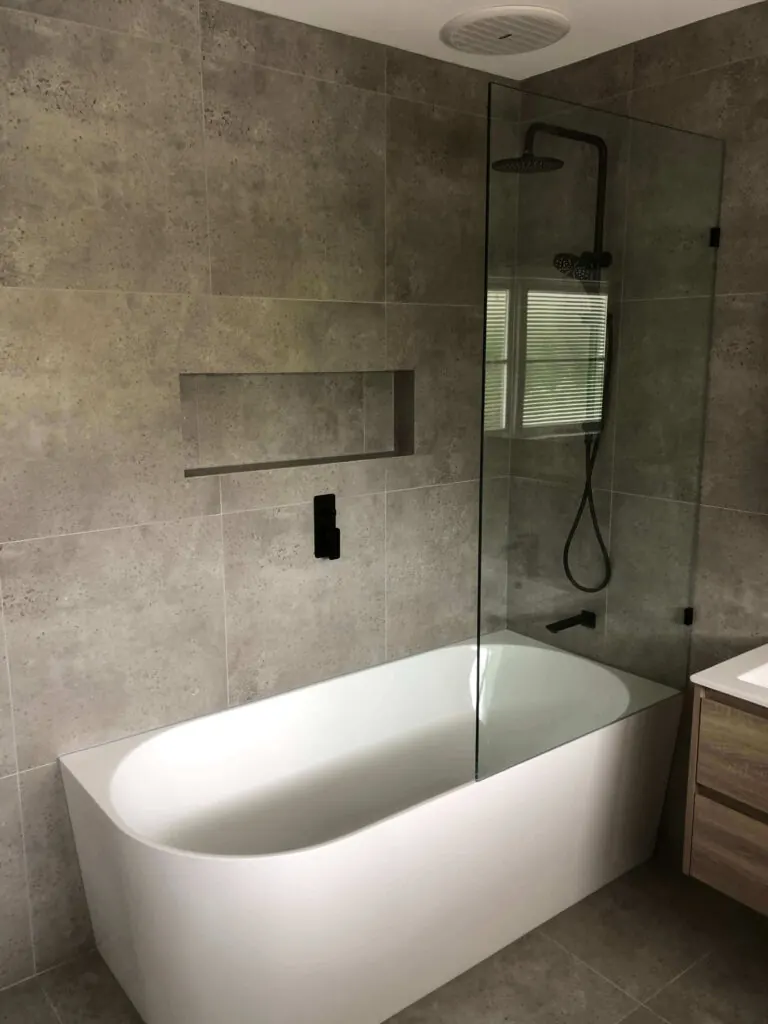
Storage materials earn their keep quietly: drawer boxes that survive humidity, interiors finished rather than raw, hardware that closes softly a thousand times. In the metro's smaller baths, the recessed niche - tiled, sloped, waterproofed as part of the shower system - stores more than any caddy and asks nothing at cleaning time. Every stored object was once a cluttered ledge; the materials plan is where it gets its home.
Timing & the Heritage Hill Calendar
Scheduling follows the sequence, not the wish: demolition waits for materials on site, rough work waits for permits where they apply, tile waits for waterproofing cures, and glass waits for tile. A calendar built on those dependencies flexes at the edges without breaking; one built on hope breaks at the first inspection window.
Deep summer brings the humidity peak, and bathrooms without working exhaust fans start showing it: peeling paint above the shower, grout that never quite dries, a mirror that stays fogged for an hour. Summer is when ventilation upgrades pay for themselves in the homeowner's eyes - the difference is visible within a week of daily showers.
On the Ground in Heritage Hill
There is a moment in every project, usually just after tile, when the room stops looking like a construction site and starts looking like a decision the household made. The grout lines run true, the light sits where it was planned, the fixtures read as a family. Professionals watch for that moment because it is when owners start planning the rest of the house - and because everything after it is finishing discipline: sealant, hardware, the walkthrough list, the small corrections made while the tools are still in the house.
Choose the renovation when the verification is clean - floor sound, drains healthy, pressure strong, layout livable - and the room's failures are all on the surface. It is the disciplined scope: real money spent only where the room is actually broken, with the systems' remaining life honestly acknowledged rather than wished away.
On the ground, the work announces itself in a fixed order. Protection goes down first - floors covered from the door to the bathroom, dust contained where the house allows. Demolition follows and it is louder and faster than homeowners expect: a typical bathroom is open to the studs and subfloor within a day or two, and that is the moment the project's hidden facts step forward. The walkthrough that matters happens then, with the walls open, when subfloor, stack and framing can be read like documents rather than guessed like weather. Everything after is sequence: rough plumbing and electrical, inspection where it applies, waterproofing with its cures honored, tile climbing from floor to walls, fixtures landing in their order, and glass last of all - measured from the tile it must meet. Households who know the order stop asking what day it is and start asking which step it is, and the project runs calmer for everyone inside it.
Keep Exploring
Bathroom Renovation nearby:
- Bathroom Renovation in Downtown Grand Rapids
- Bathroom Renovation in Eastown
- Bathroom Renovation in Midtown
- Bathroom Renovation in East Grand Rapids
More services in Heritage Hill:
- Walk-In Tub Installation in Heritage Hill
- Accessibility & ADA Remodeling in Heritage Hill
- Tile Installation in Heritage Hill
- Tub-to-Shower Conversion in Heritage Hill
See the full bathroom remodeling page for Heritage Hill and the Bathroom Renovation overview for Grand Rapids.
Bathroom Renovation in Heritage Hill - Questions
How do I know my Heritage Hill bathroom qualifies for renovation instead of remodeling?
The walkthrough answers it: solid floor, healthy drains, good pressure, no leak stains below, a layout you can live with. If those five hold in your Heritage Hill home, renovation is the right-sized project.
How long does a renovation take in Heritage Hill?
Days to about two weeks of working time for most rooms, depending on tile work and material lead times - far shorter than a full remodel, because the structure and rough plumbing stay untouched.
Does Bathroom Renovation in Heritage Hill cover the streets near the Meyer May House and the Heritage Hill historic district?
Yes - the blocks around the Meyer May House and the Heritage Hill historic district are part of this page's map, along with the rest of Heritage Hill. The landmark is named here because it anchors the neighborhood's pattern: the housing era and water system around it shape where the work concentrates.
A Leaking Shower, a Dated Tub or a Bathroom That No Longer Fits Your Life?
One call connects you with a bathroom remodeling professional serving Grand Rapids and the surrounding West Michigan communities - a walkthrough, a clear scope and a written plan before any work begins.
📞 Call Now