Planning a Bathroom Remodel in Grand Rapids: The Complete Guide
Plan in dependency order: layout and plumbing first, waterproofing second, finishes last - reversing the order is how projects stall.
Read the Guide
A same-layout Grand Rapids bathroom remodel commonly runs three to five working weeks once materials are on site; layout changes and custom glass extend the tail.
Problem: A same-layout Grand Rapids bathroom remodel commonly runs three to five working weeks once materials are on site; layout changes and custom glass extend the tail.
Solution: The hidden time is not labor - it is sequencing: inspections, waterproofing cures, tile setting and glass fabrication each impose their own waits.
When to call: Call early if your household has one bathroom; the schedule conversation - temporary arrangements, phasing - matters as much as the work.
Ask how long a bathroom remodel takes and the honest answer is a range with reasons. The labor itself is measured in days; the calendar is measured in sequences - inspection windows, curing membranes, tile that sets on its own schedule and shower glass that cannot be measured until the tile it meets exists. This timeline walks a typical Grand Rapids project week by week, marking where time is spent, where it hides, and which decisions shorten or stretch it.
The housing stock sets the starting point. Grand Rapids grew in waves: furniture-era mansions and workers' cottages before 1930, streetcar suburbs between the wars, ranch subdivisions in the 1950s-70s, and master-planned growth from the 1990s on. Each era plumbed its bathrooms differently - and each remodel inherits the choices, and the shortcuts, of its era.
Spring in Grand Rapids is thaw season: the freeze lets go, sump pumps cycle, and the winter's small leaks announce themselves as stains and soft floors. It is the natural moment to open a bathroom project - contractors' schedules still have room, and any freeze damage found in the walls gets fixed before summer humidity feeds mold into it.
Demolition day is not the start; it is the midpoint. Before it: planning and measures, material selection, ordering with lead times, permit applications where the scope requires them, and inspections scheduled. Projects that feel fast spent their patience here; projects that stall usually discover an un-ordered vanity or an un-filed permit in week two, with the room already open.
In Michigan's winter, add the logistics nobody puts in brochures: material deliveries in snow, adhesives and membranes with temperature preferences, and the simple fact that a house with one bathroom and no shower in January is a different hardship than in June. Season is a scheduling input, not an afterthought.
Demolition of a typical bathroom takes one to two days and answers the questions planning could not: subfloor condition, hidden leaks, pipe materials, joist surprises. Rough plumbing and electrical follow - drains set, supplies run, valve bodies placed, circuits pulled - and in permitted work, the rough inspection gates everything after it. This is the phase where timelines are re-forecast honestly, because the room has finally told the truth.
Waterproofing follows rough-in and imposes the first real waits: membranes and coatings cure on manufacturer schedules, and rushing a cure is how a shower becomes a two-year failure. Budget the cure days as fixed appointments in the calendar, because they are.
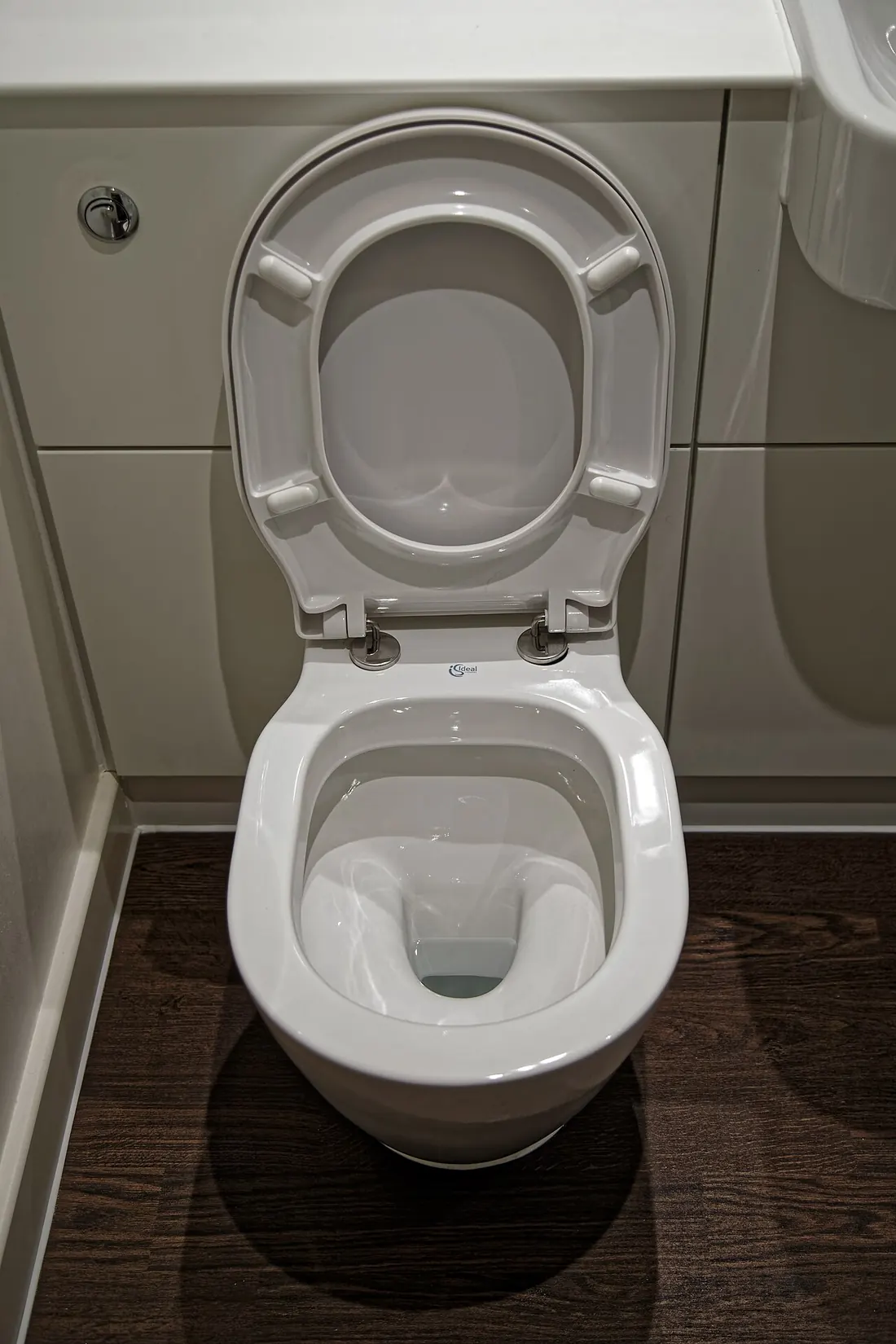
Tile work is the visible middle: floors set, shower walls climb, grout and sealant follow their own cures. Fixtures land in sequence - tub or shower base long before, toilet and vanity after tile, faucets and trim at the end. Each step is quick; their ordering is not negotiable, which is why a missing trim kit idles a nearly finished room.
Vanity, toilet, faucets and lighting go in relatively quickly; then the project's famous waiting step arrives. Shower glass is measured from finished tile - never before - fabricated to those measurements, and installed when it arrives. That fabrication window, commonly one to two weeks, is the tail of nearly every tiled shower project.
Timelines stretch on: layout changes discovered late, structural repairs, back-ordered fixtures, inspection scheduling, and change orders - every change after tile is a small demolition. They shorten on: complete materials on site before demolition, a fixed layout, decisions made once, and a household that knows the sequence and does not need the room mid-project.
The one-bathroom household deserves its own plan: a toilet reset each night during the work is often possible to arrange; showering is the true gap, and gym, family and neighbor arrangements should be settled before demolition day, not discovered on it.
Ada is the historic village where the Thornapple meets the Grand River, marked by its covered bridge and a redeveloped village center with shops and trails. Ada Township around it mixes old village streets with some of the metro's most substantial newer homes.
Village homes from the 1800s-1900s plus large newer construction, custom homes and renovated farmhouses.
Rockford is the metro's northern anchor - a small city on the Rogue River with a busy historic downtown around its dam, the White Pine Trail running through it, and a reputation as one of the region's most sought-after small-town addresses.
Historic downtown homes, 1970s-90s subdivisions and newer construction toward Belmont and the river hills.
Downtown Grand Rapids is the region's core, built along the Grand River where the Blue Bridge, the Gerald R. Ford Presidential Museum and Van Andel Arena anchor a dense grid of offices, hotels, condos and converted warehouse lofts. Residential life here is vertical - towers, lofts and older apartment buildings rather than detached houses.
Condos, lofts in converted commercial buildings and older apartment buildings, with a small stock of historic homes at the downtown edges.
Renovation depth is restraint with verification. The craft is knowing exactly where the surface ends and the structure begins - and proving, with a probe and a moisture meter where needed, that the boundary is sound before building a new decade of finishes on top of it. A renovation that respects its limits outlasts a remodel that ignored its structure.
There is also a chemistry to surfaces that the renovation respects: modern waterproofing behind a new surround, mold-resistant boards in the wet zone, ventilation sized to the room rather than the minimum on the shelf. None of it is visible in the finished room. All of it decides whether the renovation is a ten-year answer or a two-year pause.
Choose the renovation when the verification is clean - floor sound, drains healthy, pressure strong, layout livable - and the room's failures are all on the surface. It is the disciplined scope: real money spent only where the room is actually broken, with the systems' remaining life honestly acknowledged rather than wished away.
That is the service side of this guide's subject. When you are ready, the Bathroom Renovation page carries the process, the coverage by neighborhood and the number to call.
plan, order materials, file permits
demolition and discovery
rough plumbing, electrical, structural repairs
waterproofing and its cure windows
floors, shower walls, grout and seal
vanity, toilet, faucets, lighting, trim
fabrication window
glass install, sealant, walkthrough
Materials on site before demolition
Permit and inspection steps mapped
Household shower arrangement settled
Cure windows and glass fabrication in the calendar
Change-order rule agreed: decisions made once
Timeline risk prices itself in discoveries: rotten subfloors, structural repairs and moved drains each add their days and their trades. The estimate conversation should name the known waits - cures, inspections, glass - separately from the discovery risk, so the household hears an honest calendar instead of a hopeful one.
Bring a professional into the timeline question when the household has one bathroom, the house is pre-war, or the project touches drains - the three situations where a stalled calendar hurts most and a sequenced plan matters most.
Counting only labor days and ignoring cure and inspection clocks
Demolishing before the vanity arrives
Changing tile after tile work begins
Assuming the glass can be ordered from plans
A remodel's true length is the sum of its sequences, not its labor. Plan the waits in, order before you demolish, and the calendar stops being the project's enemy - it becomes the plan itself.
Plan in dependency order: layout and plumbing first, waterproofing second, finishes last - reversing the order is how projects stall.
Read the GuideTile and grout are not waterproof - the membrane behind them is the system, and showers fail at corners, curbs and penetrations, not in the field.
Read the GuideA small same-layout bathroom commonly runs two to four working weeks of calendar time once materials are on site - smaller rooms shorten labor, but cure times, inspections and glass fabrication do not shrink with square footage.
Surface-level refreshes - paint, fixtures swapped in place, a vanity change on existing plumbing - can fit a week. Anything involving tile, waterproofing or moved plumbing cannot honestly promise it; the cure and inspection clocks do not negotiate.
Usually shower glass fabrication after final measurement, commonly one to two weeks; before that, permit and inspection scheduling in busy seasons rivals it. Both are known quantities when the plan accounts for them.
Somewhat: deliveries, material temperatures and household hardship all argue for planning winter projects with extra buffer. The work itself proceeds year-round; the calendar around it needs the margin.
After final sealant cures - typically a day or two after the last silicone and grout work. Your walkthrough should state the date plainly; using a shower inside its cure window is a quiet way to void careful work.
One call connects you with a bathroom remodeling professional serving Grand Rapids and the surrounding West Michigan communities - a walkthrough, a clear scope and a written plan before any work begins.
📞 Call Now