Small Bathroom Layout Guide: Grand Rapids Edition
The classic five-by-seven gives back space by conversion, not expansion: shower for tub, wall-hung for floor-standing, pocket for swing.
Read the Guide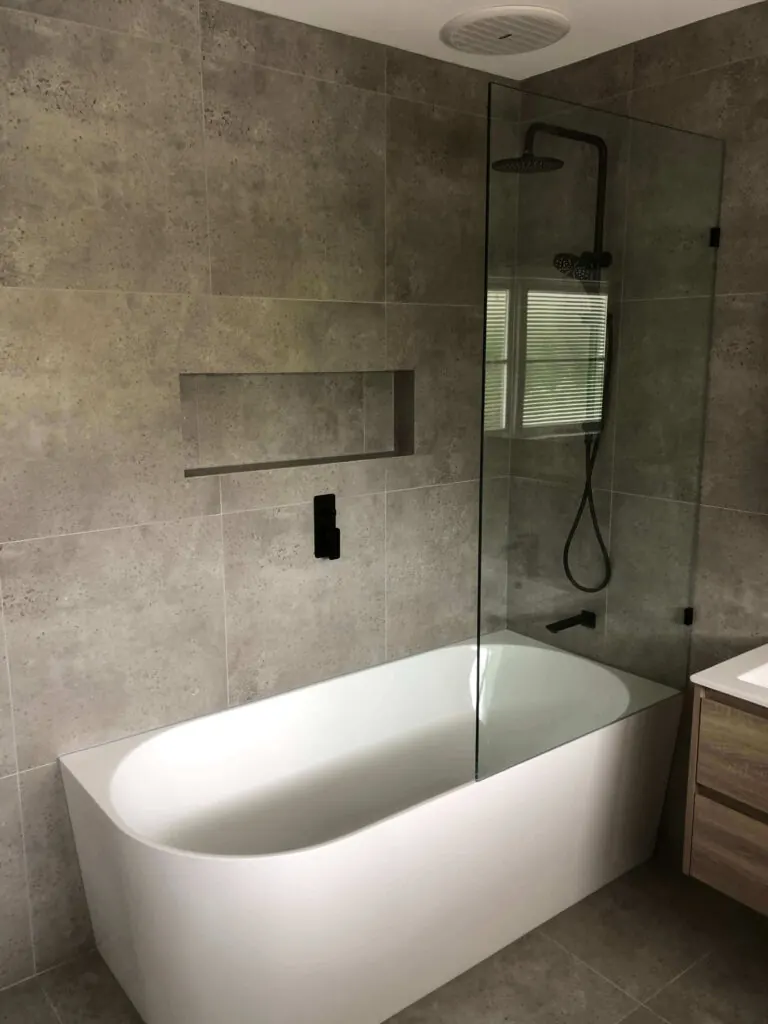
Older Grand Rapids bathrooms hide their real scope in four places: the subfloor, the pipe stack, the wall plaster and the floor's structure - budget discovery before finishes.
Problem: Older Grand Rapids bathrooms hide their real scope in four places: the subfloor, the pipe stack, the wall plaster and the floor's structure - budget discovery before finishes.
Solution: Galvanized and lead-era plumbing, knob-and-tube wiring and possible lead paint or asbestos in old mastics each carry their own handling rules; assume, test, then plan.
When to call: Call before buying fixtures when the house predates the 1960s; the assessment that maps pipes and structure is the project's true beginning.
Grand Rapids wears its history well - Heritage Hill's Victorians, Eastown's foursquares, the bungalows of Creston and Alger Heights, the postwar ranches of Wyoming and Kentwood - and its bathrooms carry every era's plumbing philosophy stacked in layers. Remodeling one is archaeology with a deadline: each wall opened is a document, and the projects that succeed are the ones that read before they tear. This guide maps what older metro houses typically hide, how to plan around it, and how to keep the charm that made the house worth keeping.
West Michigan weather writes the rules for bathroom work here. Lake-effect snow and long freezes from November into March mean supply lines on exterior walls live under freeze risk, and the spring thaw finds every weak joint. A Grand Rapids bathroom remodel is planned around that calendar - pipes insulated or relocated off cold walls, and heat kept in the room's design rather than hoped for.
Winter remodels work fine in Grand Rapids as long as the plan respects the weather: materials acclimate indoors, exterior wall work includes insulation and air sealing, and nobody leaves a house unheated mid-project. The reward is real - winter is when schedules are shortest and when a household notices most how much a warm floor and a working fan improve the season.
Subfloor first: decades of slow leaks around tubs and toilets leave plywood delaminated and boards spongy, often under tile that still looks sound. Structure second: joists notched by long-ago plumbers, spans sized for lighter eras, floors that must now carry tile's weight without flexing it to cracks. The stack third: cast iron that has served a century and may serve more, or may be scaled and thinned to a decision. Supply last: galvanized pipe whose internal rust narrows flow to a trickle, and in the oldest stock, lead-era remnants that settle the replacement question immediately.
None of these is a catastrophe; all of them are budget items that belong in the plan, not in a mid-demolition phone call. The pre-project assessment - basement eyes, a moisture meter, a lifted register or closet peek - exists to move these discoveries to the cheap side of the calendar.
Houses of certain eras carry materials with handling rules: lead paint on trim, asbestos possible in old sheet flooring, mastics and pipe insulation. The working rule is assume-and-test before disturbing - testing is cheap, and the answer decides whether the work proceeds ordinarily or under the containment practices those materials require. Michigan and federal rules both speak to lead-safe work in pre-1978 housing; a professional assessment names which regime your project lives under.
Knob-and-tube wiring near plumbing, ungrounded outlets in wet rooms, and venting that predates modern code belong to the same conversation. An older-house remodel is the one honest chance to bring a bathroom's hidden systems up to current safety - GFCI protection, real venting, a fan ducted outside - while the walls owe you access anyway.
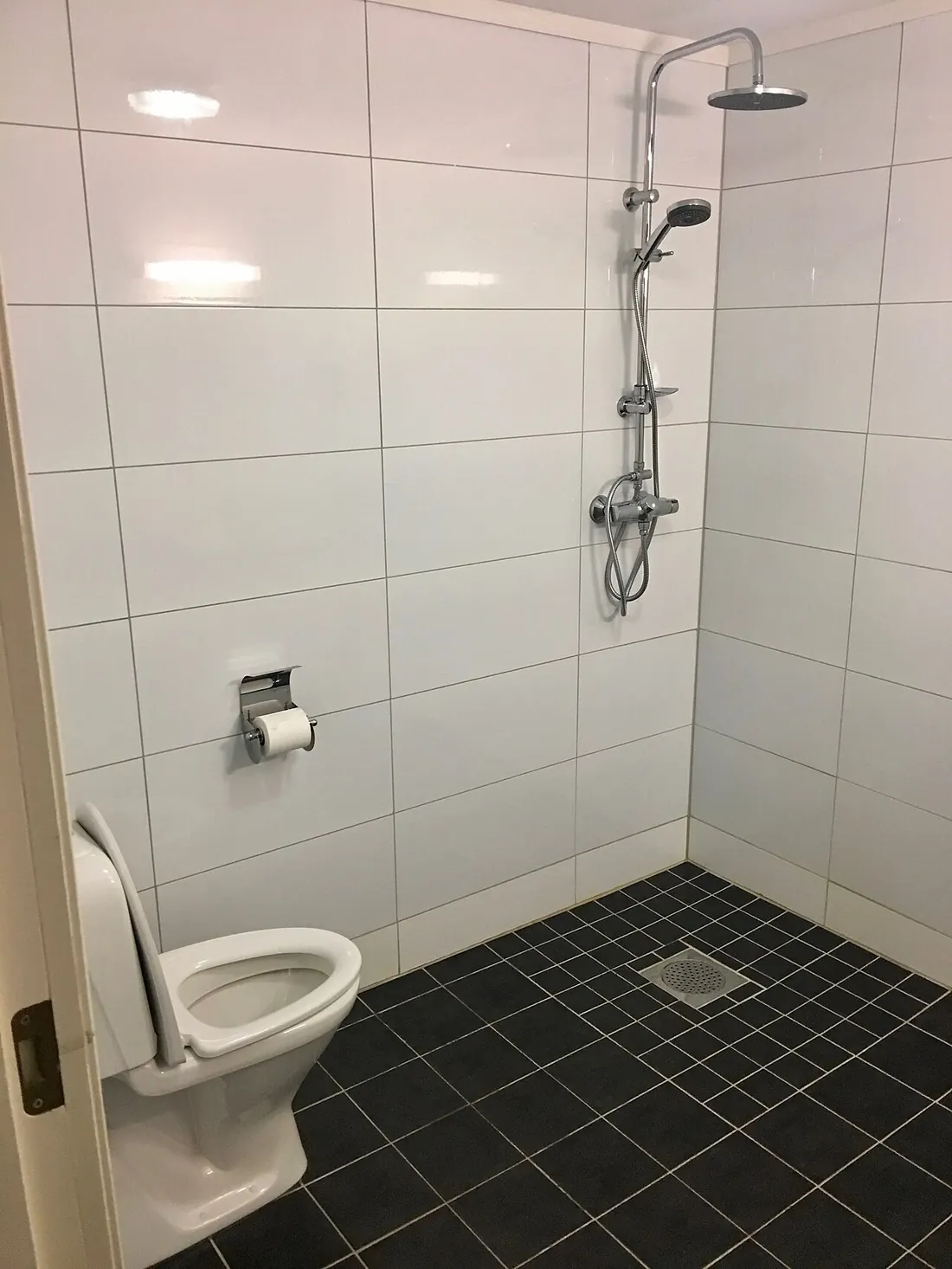
The older-house bathroom's assets are real: cast-iron tubs that outlast their replacements, hex tile traditions, deep window trim, doors with hardware that has weight. The remodel that respects them keeps or restores the tub (reglazing where the enamel is tired), echoes period patterns with modern porcelain - hexes and subway in today's materials - and matches trim profiles rather than flattening them. Charm kept this way is not nostalgia tax; these are the best-built elements in the room.
The counterweight: some era features are hazards in period dress. Windows inside showers rot on schedule regardless of charm, low sills in wet zones argue for tile surrounds or relocation of the spray, and original wooden bathroom floors under modern shower habits need the waterproofing conversation more than any room in the house.
Older-house bathrooms sequence like their newer cousins with two extra movements: discovery before commitment (the assessment, the testing, the basement map) and a contingency held honestly - experienced old-house hands carry a reserve for the discovery nobody could see, and the projects that end well are the ones whose budgets admitted the possibility from the start.
Permit and inspection in the city of Grand Rapids and the suburbs is the other constant; older houses draw justified scrutiny on plumbing and electrical changes. Build the timeline around it, keep the inspectors' findings as free consulting, and the finished room carries paperwork that future buyers read as care.
Alger Heights is a tight-knit southeast-side neighborhood built around its Eastern Avenue business district - a small, walkable main street of shops and restaurants surrounded by post-war homes famous for block parties and front-porch culture.
Post-WWII Cape Cods, ranches and Minimal Traditional homes, mostly 1940s-1960s, on modest lots.
Kentwood is the southeast metro's suburban anchor along 28th Street, built from the 1960s onward into neighborhoods of ranches and two-stories between the mall corridor and the farmland it replaced. It is one of the most diverse cities in Michigan.
Ranch and two-story subdivisions from the 1960s-1990s, with newer construction at the southern edges.
Fulton Heights sits on the bluff east of downtown along Fulton Street, a quiet residential district of early-1900s streets that look out toward the river valley, between the Medical Mile and East Grand Rapids.
Foursquares, Colonial Revivals and bungalows from the 1900s-1930s, many on deep, sloped lots.
Renovation depth is restraint with verification. The craft is knowing exactly where the surface ends and the structure begins - and proving, with a probe and a moisture meter where needed, that the boundary is sound before building a new decade of finishes on top of it. A renovation that respects its limits outlasts a remodel that ignored its structure.
There is also a chemistry to surfaces that the renovation respects: modern waterproofing behind a new surround, mold-resistant boards in the wet zone, ventilation sized to the room rather than the minimum on the shelf. None of it is visible in the finished room. All of it decides whether the renovation is a ten-year answer or a two-year pause.
Choose the renovation when the verification is clean - floor sound, drains healthy, pressure strong, layout livable - and the room's failures are all on the surface. It is the disciplined scope: real money spent only where the room is actually broken, with the systems' remaining life honestly acknowledged rather than wished away.
That is the service side of this guide's subject. When you are ready, the Bathroom Renovation page carries the process, the coverage by neighborhood and the number to call.
stack, supplies, joists, leak history
Stack, supplies and joists audited from below
Suspect materials tested before disturbance
Subfloor probed at wet fixtures
Keep-versus-replace decided per element
Hidden-system upgrades listed for open-wall time
Discovery reserve in the written budget
Older-house projects price their discoveries: subfloor and structure repair, stack and supply replacement, and code catch-up each carry real ranges that the assessment narrows. The finishes, by contrast, price like any bathroom. Expect the honest quote to separate known work, probable work and discovery reserve - and be wary of the one that pretends the third category does not exist.
The older the house, the earlier the professional belongs in the project - at the assessment, before fixtures are bought or walls opened. Heritage-district homes add an exterior review layer for visible changes; interiors proceed ordinarily, but confirm before assuming.
Budgeting an old house like a new one
Tearing out the cast-iron tub on reflex
Disturbing suspect flooring or paint untested
Closing walls without photographing them
An older Grand Rapids bathroom is a palimpsest - every era wrote something in it. Read it first, keep what was built well, replace what time finished, and the new room will feel less like a replacement and more like the house continuing its sentence.
The classic five-by-seven gives back space by conversion, not expansion: shower for tub, wall-hung for floor-standing, pocket for swing.
Read the GuideA same-layout Grand Rapids bathroom remodel commonly runs three to five working weeks once materials are on site; layout changes and custom glass extend the tail.
Read the GuideIf its structure is sound, often yes - reglazed, it serves decades more and anchors the room's period honesty. Keep it when the household bathes or the house's character argues for it; convert when entry over its high wall is the household's daily risk.
A discovery reserve sized to the house's unknowns - the older and less documented, the larger. The assessment shrinks the guesswork; the reserve covers what no assessment can see. Projects that admit the reserve at the start rarely regret it.
Only over a floor proven sound, dry and stiff enough for tile - old bathrooms fail at least one of the three often enough that removal to the subfloor is the common honest path. The probe at the tub and toilet answers most of the question.
Respect, not panic: test before disturbing suspect materials, and let the results set the handling. Pre-1978 paint and mid-century flooring and mastics are the usual candidates. Professionals work under established safe practices for both.
The process is the same; the findings can be richer. Inspectors may ask older systems touched by the work to meet current safety expectations - GFCI protection, venting, valves. Treat it as the house catching up where it counts.
One call connects you with a bathroom remodeling professional serving Grand Rapids and the surrounding West Michigan communities - a walkthrough, a clear scope and a written plan before any work begins.
📞 Call Now